
The Studio as a Movement Environment
Toben is a movement learning environment where people explore how their bodies work through careful observation and practice. Rather than pursuing fixed outcomes, visitors engage with the process of moving itself—noticing patterns, testing variations, and gradually expanding their movement vocabulary.
The space supports this exploration without pressure or comparison. Each person works at their own pace, guided by experienced movement instructors who help them refine their awareness and control.
What Modern Movement Practice Means
Contemporary movement practice focuses on understanding how the body organizes itself during activity. This involves paying attention to weight distribution, breath patterns, points of contact with surfaces, and the sequencing of actions.
Through regular practice, people develop a more detailed internal sense of their physical state and learn to move with greater ease and efficiency in various contexts.
Learning Movement Rather Than Training
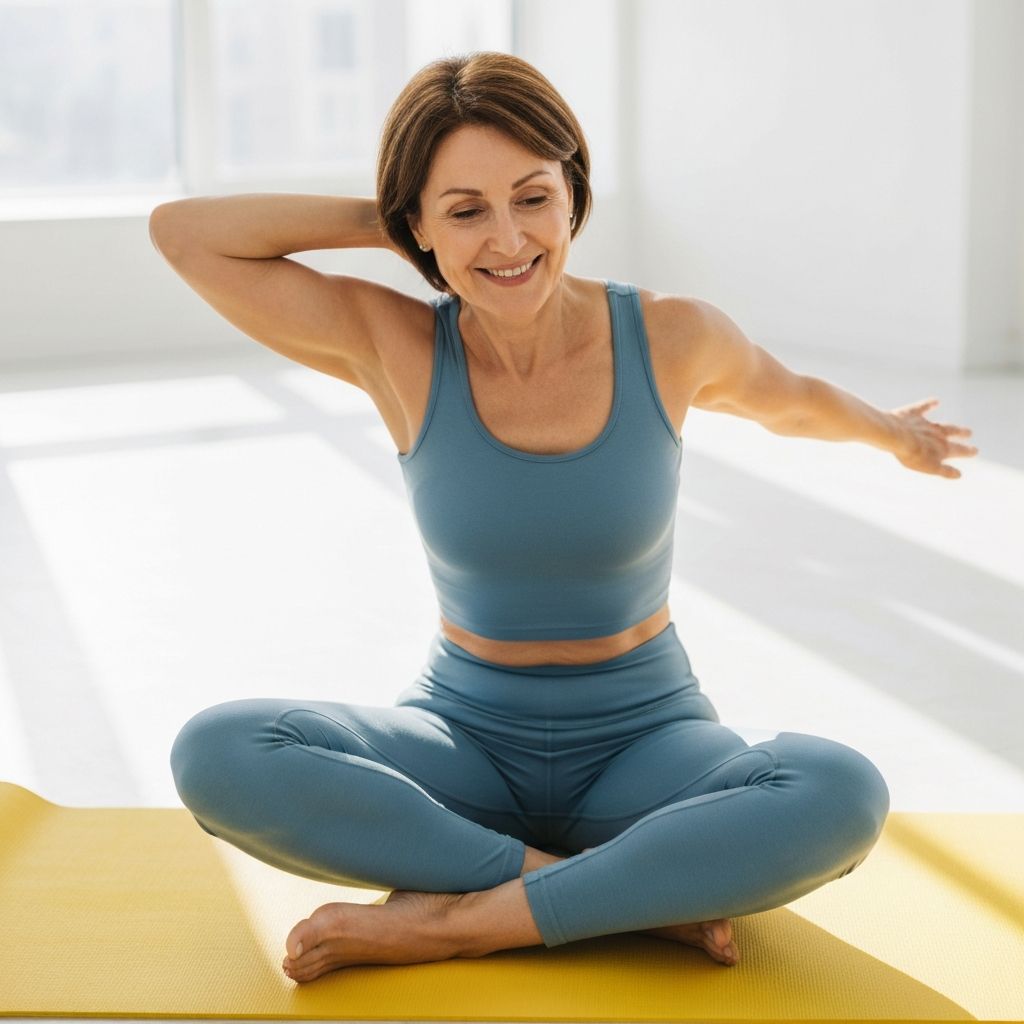
The distinction between learning and training lies in the approach. Learning involves curiosity about how movement happens—what initiates an action, how parts of the body coordinate, what alternative paths exist for accomplishing a task.
This investigative quality encourages people to stay engaged with their practice over time, as there is always more to discover about how they move.
Developing Body Sensation
Body awareness develops through repeated attention to physical sensations during movement. This includes noticing which areas feel active or passive, where tension accumulates, and how different positions affect comfort and stability.
Over time, this refined sensitivity allows people to make subtle adjustments that improve their movement quality and reduce unnecessary effort.
Movement Chains and Their Interaction
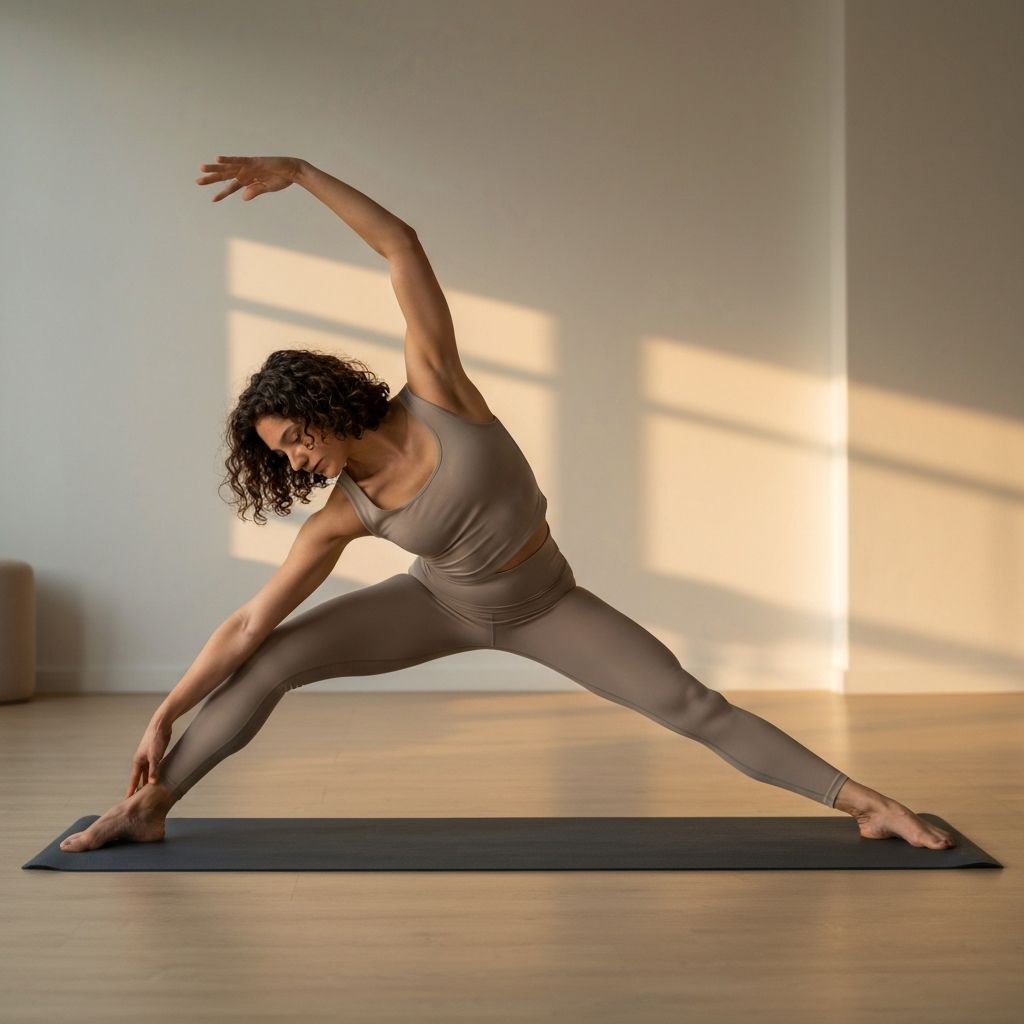
The body functions through interconnected systems where actions in one area influence others. Understanding these relationships helps people move more efficiently and distribute effort throughout their structure rather than overloading specific areas.
Instructors guide exploration of these connections through varied movement sequences that highlight different organizational patterns.
Strength Through Control
Building strength in this context means developing the ability to control movement precisely across a range of positions and speeds. Rather than maximizing force output, the focus is on maintaining smooth, steady action even in challenging positions.
This approach to strength development supports functional capacity while maintaining joint health and movement quality.
Flexibility as Adaptability
Flexibility here refers not just to range of motion, but to the capacity to adapt movement patterns to different situations. This includes being comfortable in various positions and able to transition smoothly between them.
The practice gradually expands this adaptive capacity through exploration of diverse movements and positions.
Working with Support and Balance
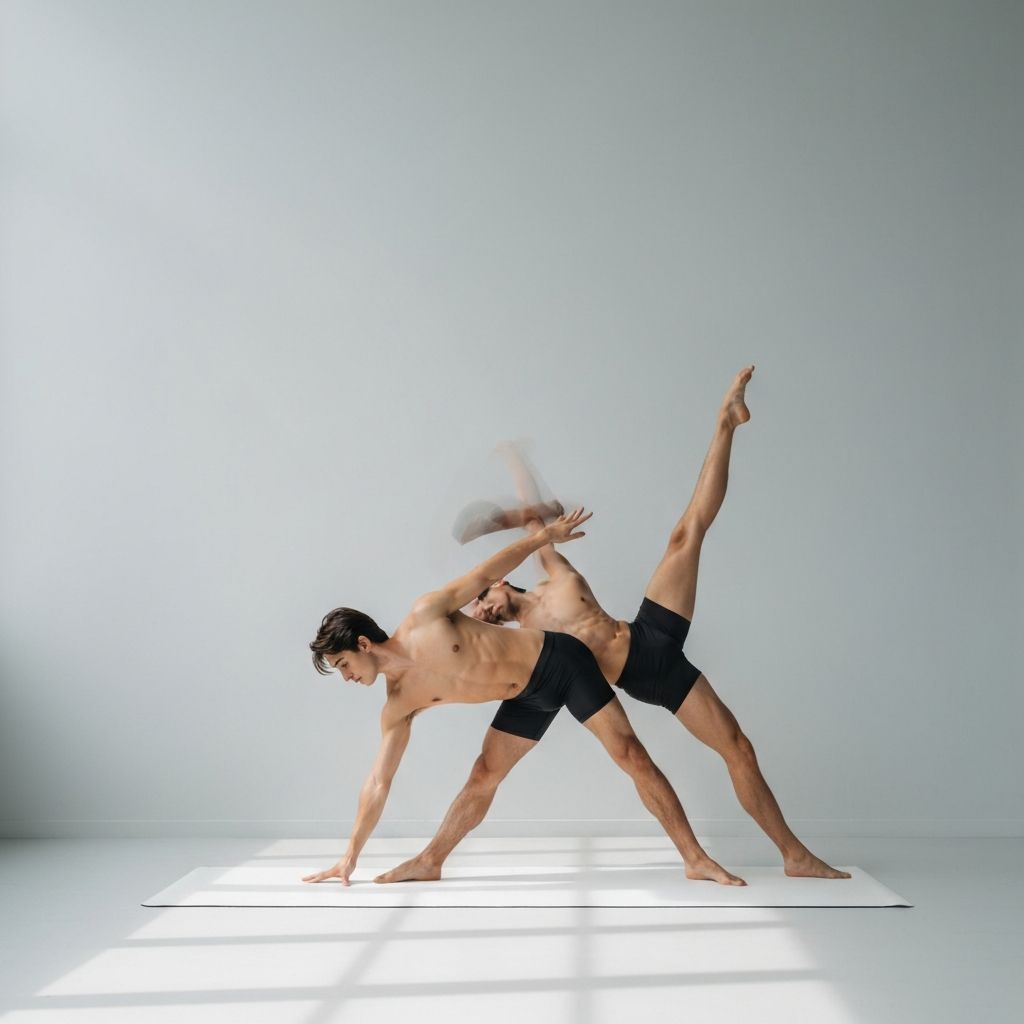
Understanding how to work with gravity and find stable support in different positions is fundamental to efficient movement. Sessions explore various relationships with the ground and different support surfaces.
This exploration helps people feel more secure and capable across a wider range of physical contexts.
The Role of Slow Tempo
Much of the practice happens at reduced speeds, which allows time for detailed perception and precise control. Moving slowly reveals aspects of coordination that are invisible at normal pace.
This deliberate tempo is a learning tool rather than a limitation—it creates space for noticing and refining movement patterns.
Movement Variation in Sessions
Sessions include diverse movement patterns—floor work, standing sequences, supported positions, and transitions between them. This variety ensures people develop broad physical literacy rather than narrow specialization.
The range of activities keeps practice engaging while building comprehensive movement capacity.
Group Sessions Without Competition
Group sessions provide a shared learning environment where people work alongside others but focus on their own practice. There is no comparison or performance aspect—each person engages with the material according to their current capacity.
Instructors offer modifications and variations so everyone can participate meaningfully regardless of their starting point.
Individual Approaches to Movement
People bring different bodies, histories, and habits to their practice. The approach acknowledges this diversity by emphasizing personal exploration rather than uniform execution.
What matters is each person's developing understanding of their own movement, not matching external standards.
Movement in Daily Life
The awareness and control developed in sessions can be applied to everyday activities—sitting, walking, reaching, carrying objects. The practice becomes relevant when it influences how people move through their regular routines.
Many visitors report noticing more about how they perform daily tasks and making spontaneous adjustments that feel better.
How Instructors Guide the Process
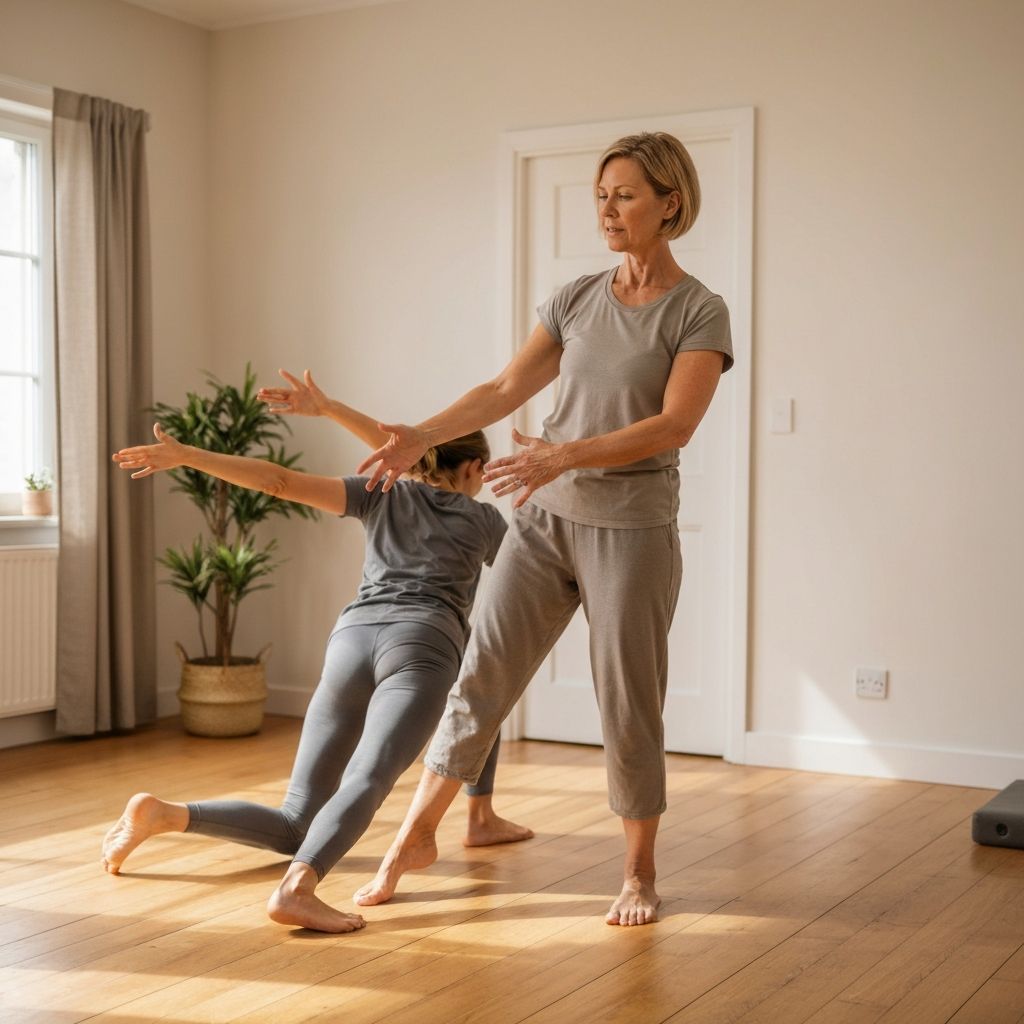
Movement and body awareness instructors at Toben facilitate learning through verbal guidance, demonstration, and occasional hands-on adjustment. They help people refine their attention and offer perspectives on movement organization.
Their role is educational—helping visitors develop their own capacity for observation and self-regulation rather than directing specific outcomes.
Visitor Experiences
"After several months of regular sessions, I notice I move differently during my day. Small things like how I get up from a chair or reach for something feel easier and more natural."
"What I appreciate is the lack of pressure. I come to explore movement at my own pace, and the instructors help me understand what I'm doing without judgment."
Common Questions
Do I need previous movement experience?
No prior experience is required. The practice is accessible to people at any starting point. Instructors provide variations to accommodate different levels of familiarity with movement work.
What should I bring to a session?
Wear comfortable clothing that allows free movement. The studio provides mats and any other equipment needed. Bring water if you prefer to have it available.
How often should I attend?
Many people find value in attending once or twice weekly. Regular participation supports the gradual development of awareness and skill, but you determine the frequency that works for your schedule.
Is this similar to yoga or pilates?
There are some overlapping principles around mindful movement and body awareness, but the focus here is more explicitly on learning how movement works rather than following a specific system or tradition.
What if I have physical limitations?
The practice is adaptable to various physical situations. Instructors work with what you can do and help you explore movement within your current capacity. If you have specific concerns, mention them when you arrive.
Explore Movement Learning
If you're curious about developing greater body awareness and expanding your movement capacity through systematic practice, you're welcome to visit the studio.
Dive deeper into the topic